Crypto fear index falls to 10 as Strait of Hormuz tensions rise

Crypto fear index falls to 10 as Strait of Hormuz tensions rise

Crypto Market Sentiment Dips Amid Escalating Geopolitical Tensions


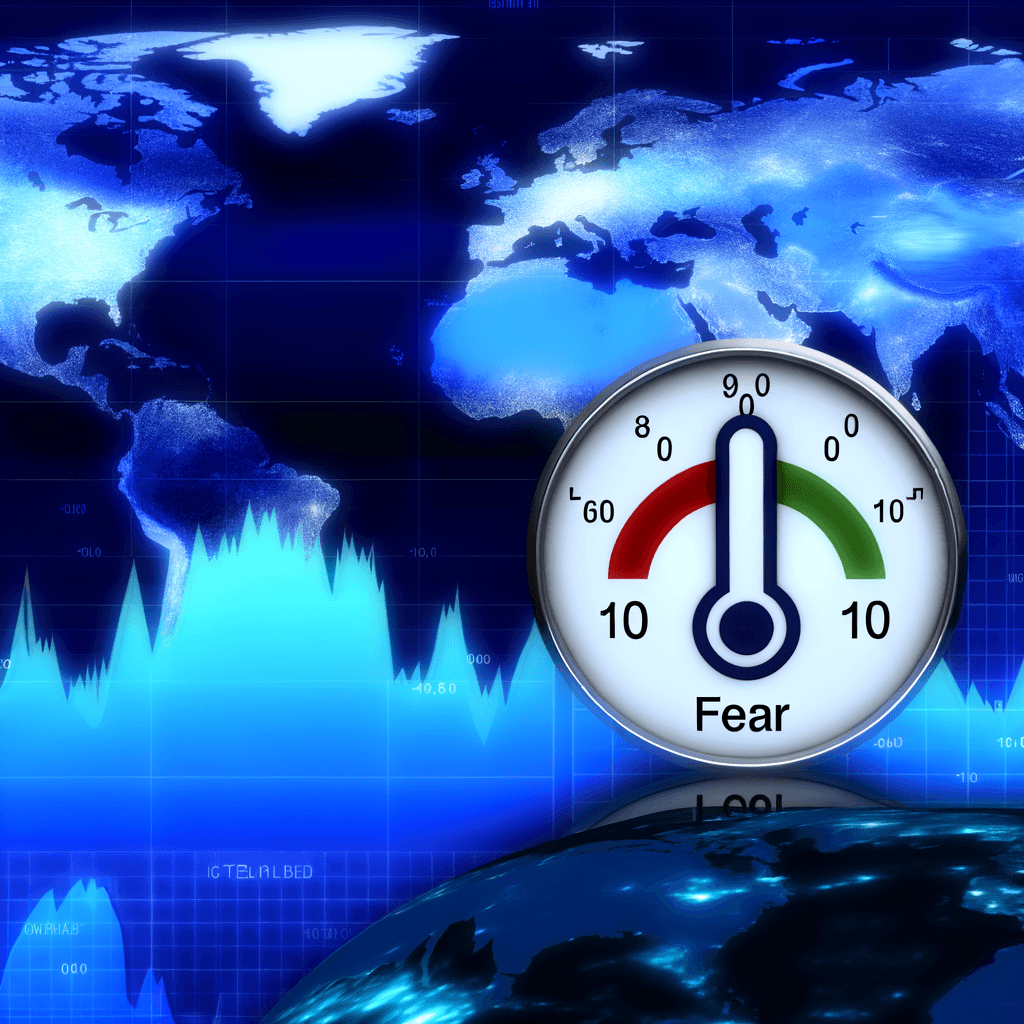
This week has been marked by heightened anxiety in the cryptocurrency markets, as geopolitical tensions in the Middle East have cast a shadow over investor sentiment. Specifically, Iran's military maneuvers, which included the temporary closure of the Strait of Hormuz, have been identified as a key catalyst for the market's retreat. Market observers noted a visible shift in sentiment metrics, with the crypto fear and greed index dropping from 12 to 10, illustrating the growing apprehension among market participants.


The Strategic Significance of the Strait of Hormuz


The Strait of Hormuz is a vital artery for the world's oil supply, with roughly 31 percent of all seaborne crude oil passing through this narrow channel. Any disruption to this route can lead to immediate repercussions in global oil prices, subsequently exacerbating energy costs across the board. Given the energy-intensive nature of Bitcoin mining, these developments have a notable impact on the operations of miners, who may find themselves compelled to scale back their activities or liquidate their holdings to meet elevated expenses.


Implications for Bitcoin Mining and Market Liquidity


Higher energy costs pose a significant challenge for Bitcoin miners, who rely heavily on affordable electricity to maintain profitability. As expenses rise, some operators might be forced to curtail production, while others could resort to selling off assets to balance their books, thus impacting the market's equilibrium. Market analysts have pointed out that such scenarios reveal how geopolitical turmoil can directly or indirectly influence cryptocurrency valuations and the broader financial ecosystem's liquidity.


Diplomatic Dynamics and Their Potential Impact


The recent military exercises and subsequent closure of the Strait come at a time of strained relations between Iran and the United States. Diplomatic engagements in Geneva, where officials from both nations convened, are being closely monitored by analysts, as the outcomes of these discussions could profoundly impact geopolitical stability. A failure in negotiations could lead to further geopolitical strain, pushing markets towards heightened volatility. Conversely, any diplomatic success could provide a much-needed boost to investor confidence, stabilizing market sentiments.


Awaiting U.S. Economic Indicators for Directional Cues


While geopolitical factors have dominated the narrative this week, traders have also been keeping a watchful eye on key economic data from the United States as they await cues for market direction. The release of durable goods data and the much-anticipated Personal Consumption Expenditures (PCE) figures are set to offer critical insights into the U.S. economic outlook. These indicators are instrumental in shaping monetary policy expectations and determining the market's risk appetite. As such, traders and investors are likely to adjust their strategies accordingly, awaiting clarity from these macroeconomic indicators.


Conclusion: The Interplay of Geopolitics and Cryptocurrency Markets


In recent months, cryptocurrency markets have shown an increasing susceptibility to external macro factors, including geopolitical events and broader economic conditions. The surge in risk aversion precipitated by Middle Eastern tensions serves as a timely reminder of the interconnectedness of global markets. As the cryptocurrency market navigates these turbulent waters, investors and analysts alike must remain vigilant, attuned to developments both in the geopolitical realm and the economic landscape. Looking ahead, the resolution of diplomatic talks and the response to U.S. economic data will likely hold significant sway over market dynamics, guiding traders in their pursuit of opportunity amidst uncertainty.


Latest news